
Articles & Media
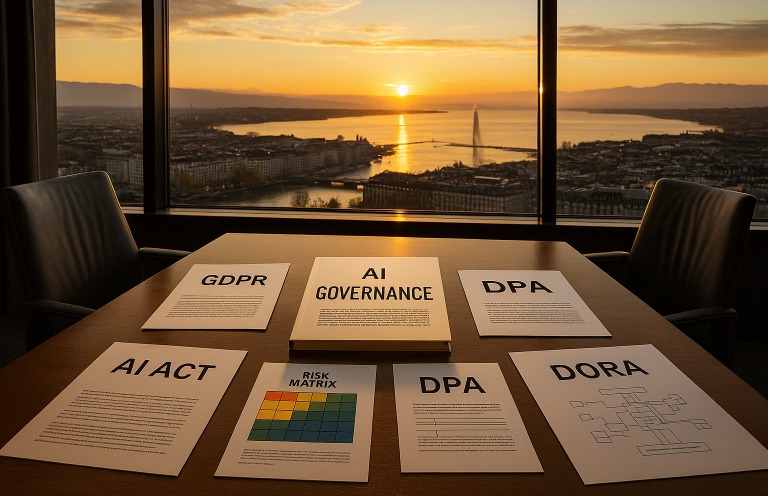
Beyond the Checklist - AI Governance
A question that keeps coming up in customer conversations: “𝘐𝘴 𝘺𝘰𝘶𝘳 𝘈𝘐 𝘱𝘭𝘢𝘵𝘧𝘰𝘳𝘮 𝘎𝘋𝘗𝘙 𝘤𝘰𝘮𝘱𝘭𝘪𝘢𝘯𝘵?”
It sounds simple. But it rarely is.
Because the real issue is not compliance: it’s 𝘁𝗿𝘂𝘀𝘁, 𝗴𝗼𝘃𝗲𝗿𝗻𝗮𝗻𝗰𝗲, 𝗮𝗻𝗱 𝗿𝗲𝘀𝗽𝗼𝗻𝘀𝗶𝗯𝗶𝗹𝗶𝘁𝘆 in the age of AI.
GDPR and the EU AI Act are often mentioned together, but they are not the same. They define 𝘸𝘩𝘢𝘵 𝘨𝘰𝘰𝘥 𝘭𝘰𝘰𝘬𝘴 𝘭𝘪𝘬𝘦, not 𝘩𝘰𝘸 𝘵𝘰 𝘢𝘤𝘩𝘪𝘦𝘷𝘦 𝘪𝘵. That gap is where most organisations struggle.

It seemed impossible to spend a full day listening to conversations about artificial intelligence without concluding that technology itself is not the real challenge. Governance, trust and human responsibility are.
As I listened to discussions on interoperability, accountability, intellectual property and cross-border governance, it is clear that artificial intelligence is exposing a challenge that extends well beyond technology.

AI is a tool. It is neither the end of civilisation nor the beginning of a post-human era. It requires humanity to build it, humanity to deploy it and, crucially, humanity to govern it.
This may explain why one of the most striking observations made throughout the discussions was that we may be the last generation capable of defining the terms under which humans and intelligent machines will coexist. While such a statement can easily be interpreted through a lens of fear, I heard something rather different. I heard an invitation to responsibility.
echnologies evolve, platforms rise and fall, regulatory landscapes shift, and strategies that appeared sound only a few years earlier can quickly lose relevance. The arrival of AI may have accelerated this cycle, but it has not fundamentally changed the nature of transformation.
If anything, it has simply made more visible something that has always been true: organizations rarely succeed because they make perfect decisions. They succeed because they develop the capacity to adapt when reality inevitably diverges from the plan.
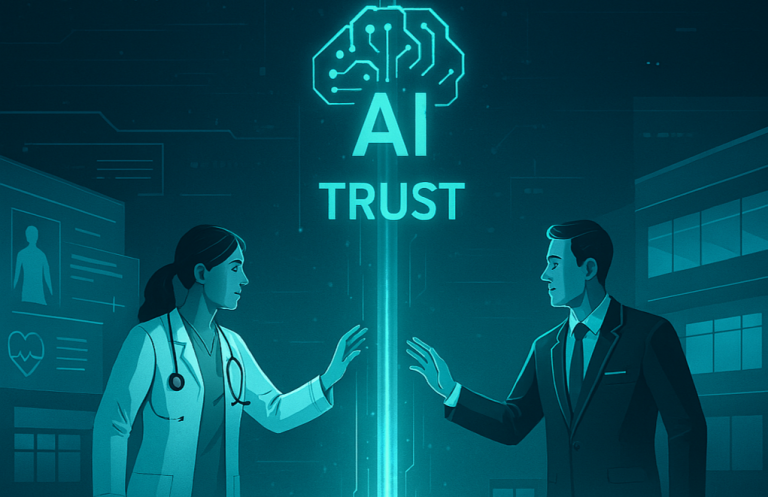
Public-sector institutions carry enormous responsibility around equity, accountability, and risk management, they are designed to move carefully. Private organizations, on the other hand, are often structured around innovation, speed, and competitive pressure.
Neither approach is wrong.
But they operate with entirely different tolerances for uncertainty, and technology ends up sitting directly in the middle of that tension.

When most people hear "negotiation," they think contracts, pricing, terms and conditions. But the Schranner Concept reframes negotiation as a mindset, a way of approaching every interaction where interests might not be perfectly aligned.
And in transformation? Interests are never perfectly aligned.
I've spent years navigating highly regulated industries -aerospace, pharma, medtech, lifescience - where every initiative faces competing priorities.